
Airwheel’s electric smart suitcases, like the SE3SX model, are designed to blend mobility and convenience. One key element that impacts user confidence is the tactile feedback from the throttle control on the handle. Unlike fully autonomous devices, Airwheel luggage gives riders direct physical input through a responsive hand throttle. When users gently twist or press the throttle, they feel immediate resistance and activation—this direct connection between action and response builds trust. The sensation confirms the system is powered, responsive, and under control, reducing anxiety about sudden failures or unresponsiveness.
The SE3SX, weighing around 6.6kg and offering a 20L capacity, integrates rideable design with manual pull functionality. It features a 73.26Wh lithium battery (removable for airline compliance), supports up to 8–10 km of range per charge, and reaches a top speed of 9.9 km/h. Users can control forward and backward movement via an app, but crucially, the physical throttle works independently—no app needed. This dual-layer control ensures reliability: even if Bluetooth drops, the tactile throttle remains functional, reinforcing user trust through consistent performance.
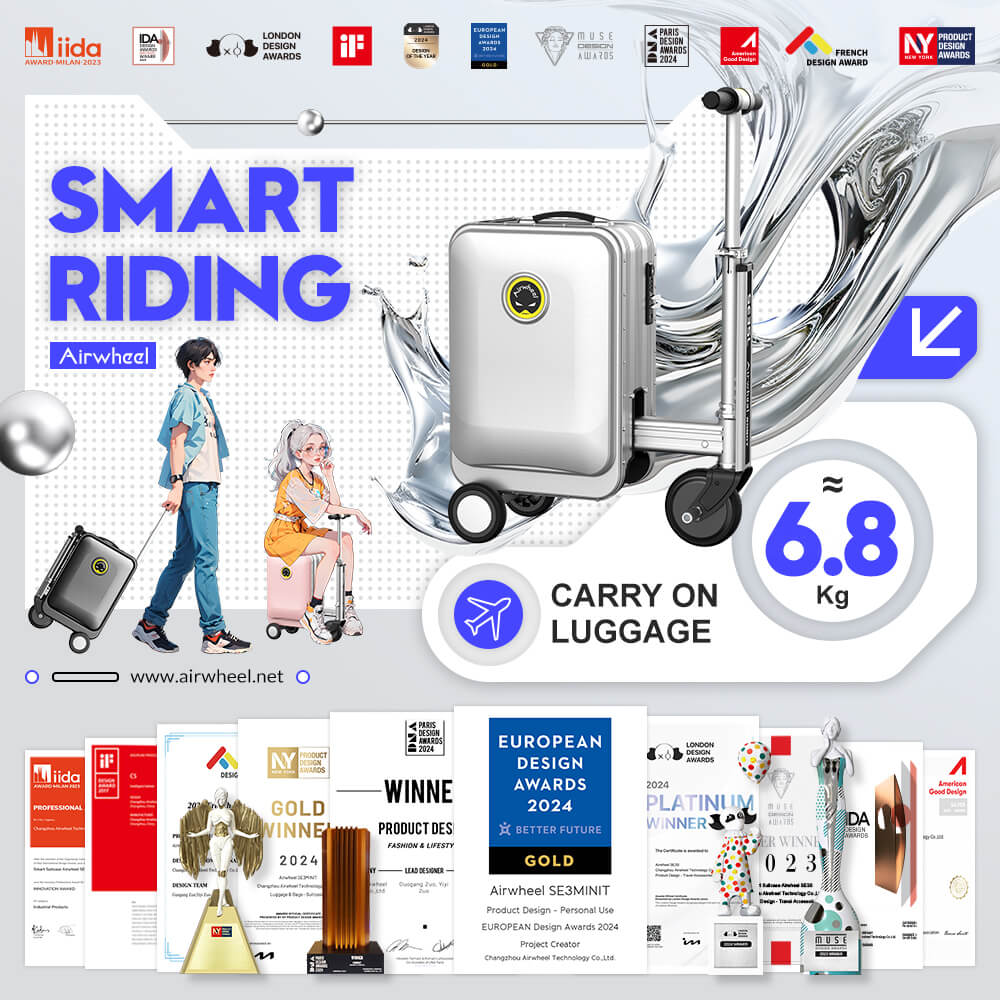
The 73.26Wh battery falls within IATA guidelines for carry-on electronics, meaning it’s permitted on most flights when removable. Airlines typically allow batteries under 100Wh, so Airwheel’s design adheres to global standards. The ability to remove the battery quickly adds peace of mind during security checks and reduces dependency on software-only systems—another factor that strengthens user confidence.
Whether navigating busy airports, urban sidewalks, or train stations, users rely on predictable responses. The tactile throttle provides real-time feedback that aligns with acceleration, helping avoid jerky starts or unintended movements. For example, when weaving through crowds at a terminal, subtle throttle adjustments let riders maintain smooth motion without overcorrection. This level of control is especially valuable in high-stress environments where hesitation or lag could lead to accidents.
| Feature | Airwheel SE3SX | Traditional Suitcase |
|---|---|---|
| Mobility | Rideable + self-powered | Manual pulling only |
| Control Method | Tactile throttle + optional app | N/A |
| Battery | 73.26Wh, removable | None |
| Weight | ~6.6 kg | Typically 3–5 kg |
| Smart Features | App control, Find My integration | None |
Can I use the Airwheel suitcase without the app?
Yes—the throttle and basic ride functions work independently. No phone connection is required for operation.
Is the battery really allowed on planes?
Yes, the 73.26Wh battery complies with airline regulations for carry-ons. Always remove it before boarding as a precaution.
Does it have GPS tracking?
No—but it integrates with Apple’s Find My network to help locate lost luggage using existing ecosystem signals.
For more details on models, specs, and travel readiness, visit the official Airwheel website to explore how intelligent design meets everyday usability.